

I Wore Prada
My Personal Story with Fashion and "Taste"

This month I’m deviating from the subject of travel with a personal post about my time in the fashion world. I’ll be back to writing about travel next month.
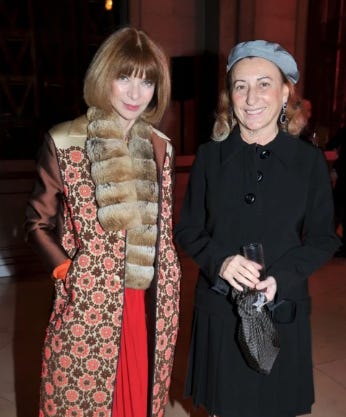
So much news lately about fashion in the 90’s and the early aughts, what with Devil Wears Prada 2 in the theaters and Hulu’s series Love Story: John F. Kennedy Jr. & Carolyn Bessette (she worked at Calvin Klein). So many satellite stories published about that time at Vogue, in media, in fashion, mine is just one more to add on to the pile.
As a person who mostly looks forward and rarely looks back, I’ve never written about that time of my life but all the buzz today about fashion in that particular era compels me to think about those years. I’m reminded of when I was a teenager, and believed becoming a fashion designer was my destiny, as I commuted weekends into Manhattan to take classes at Parson’s School of Design and spent one summer working as a high school intern at the MET’s Costume Institute.
When at college in Boston, I talked my way into an internship at the public relations department at Giorgio Armani, the only fashion house at the time that had a PR representative in Boston (very Carolyn Bessette-like, who also got her fashion start in Boston.) All the while I set my sights on returning to NYC to become part of what I saw as the ultimate world of fashion. By this time I had determined I did not have what it takes to be a fashion designer, with all the creativity and ingenuity required to design four to six collections a year. It seemed more realistic to explore other avenues in fashion instead.
Once I returned to New York, my very first job was at the menswear brand Hugo Boss. My impatience to work for the very best soon led me to Prada, in an assistant role to the VP of the public relations and advertising department. This was January of 1997. I stayed for exactly one year.
It was only one year, yet it was a very intense year of employment, in which I gained a lifetime of experience. The PR department is the direct counterpart to the editorial teams of the top fashion magazines, so my boss took a page out of Anna Wintour’s book of management style, or so was the style for female executives in fashion at the time. Demanding, uncompromising, sometimes cruel, other times emotionally abusive to her subordinates. Perhaps it was also pressure to match the management style of male executives. When Prada execs were in town from Italy, shouting matches were overheard through the stairwells, the sound heard of espresso cups shattering when thrown against the walls. Expectations were high, and I suspect those high standards were set by Anna and by Miuccia Prada herself, as well as by other high-end designers at the time who were Miuccia’s peers. But my co-workers and I all loved fashion, were proud to work for the Prada brand, and we relished the glamour.
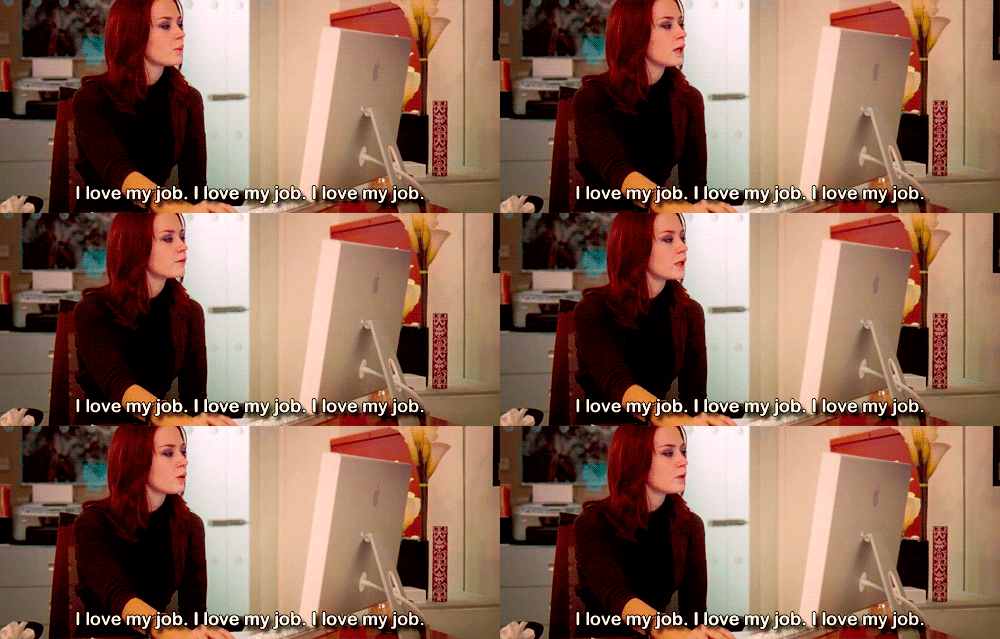
In this way I related to the character of Emily in Devil Wears Prada; she took her fashion job so seriously, as we all did. Otherwise we would not have worked so hard for many hours often late into the night, and on weekends, forsaking social lives in the belief we were bringing beauty into the world, sartorial beauty that mattered.
One year in however, I made the decision to move to London to live with my long-distance boyfriend. Years later I was back in New York, where I landed at Louis Vuitton as a PR coordinator. I eventually grew to manage the department for North America, having built a team I trusted, traveling to Paris quarterly to work with the U.S. editors attending the runway shows, so they could feature the incredible designs by Marc Jacobs for Louis Vuitton. There were clothing allowances, expense accounts, events and dinners at the hottest places in NYC, no lack of extraordinary experiences for career people in their twenties. One week I was dressing Sarah Jessica Parker for a film premier, another week I was escorting editors in helicopters to a store opening, yet another meeting U2 backstage as an editor’s guest. For three years, it became my life. I loved it. I lived it. I hated it. At some point I had a new boss with whom I clashed and the job became a chore. Then 9/11 happened to New York, and less than one year later, I was done with fashion, disillusioned and burned out.
As for the movies, I can attest to anyone outside of the industry that in that era, people feared Anna Wintour and it reverberated not only at Vogue and Condé Nast, but at every single fashion house, with every designer down to the PR teams that worked closely with the magazines. She made everyone tremble. I had a coordinator cry because she could not manage to get a sample look in time to Paris for a Vogue fashion shoot (each runway look was one-of-a-kind, and had to change hands many times to get photographed for stories at different magazines.) She was given a verbal lashing over the phone by an editor. Everyone knew Anna would not be happy about her editorial team not getting the exact dress she wanted, to meet the particular vision she had in mind for that that particular shoot.
That was the moment when I started to think that the industry may not be for me. Many similar instances occurred previously, but I always accepted the insane expectations as just the way things were. This time, after the trauma we had endured as New Yorkers after that fateful day, my belief system had upended and I realized— the urgency of fashion did not matter to me any longer. I wanted out.
The Vuitton offices were in the LVMH tower on 57th Street, the building designed to look like a blooming rose, and my office was the one office with blue windows, the rosebud of the design. A close colleague learned I was considering resigning and came in to talk me out of it.
“You can’t leave,” she said. “Where will you go, what will you do?” She looked around my office, with the samples of various Louis Vuitton luggage displayed on the shelves. “You can’t leave… this.”
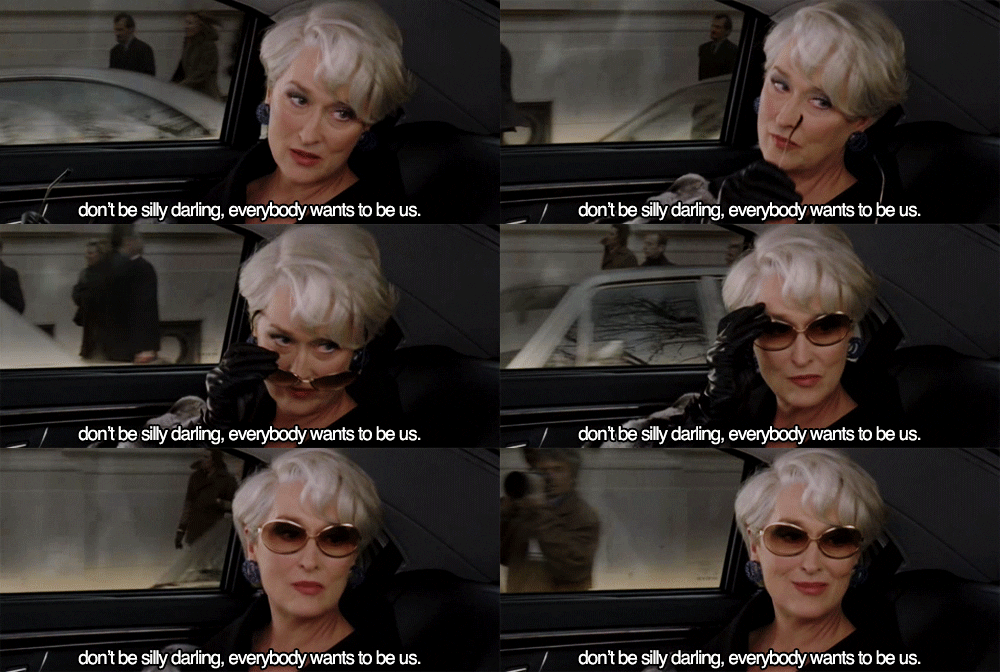
Once upon a time, it was what I wanted, the burning desire as a college student in Boston, to be one of those fancy New York career women in fashion. But no, not everyone wants it. Not for all of her life, anyway.
Which brings me to today. Looking back, I realize all those years in fashion early in my career that were fast-paced, exciting, dramatic, and at times extremely stressful, actually educated me to cultivate a particular kind of taste. Taste is subjective. When I write here however about “tasteful travel for the culture-curious,” it refers back to the taste I developed working early on for these European fashion houses, in the firestorm that was and is New York City. There’s no doubt these standards were set by editors like the Anna Wintour of back-in-the-day (pre-Jeff Bezos.) Sensibilities that lean toward the sophisticated and international. Understated elegance, that reveres beauty, the arts, and culture— but today, I seek these qualities in places and spaces that are also accessible, translated into memorable experiences over material goods. I still look for it all, the best of the best, wanting to bring it to others where I can, but through travel instead.
One last note about that year at Prada. That one job gave birth to so many wonderful, lasting friendships in my life. Whether it was a shared suffering that bonded us, or that Prada knew how to pick them, 30 years later I am part of an expanded network of former Prada workers, and many of my close relationships can be traced somehow back to that company. For all the memes and jokes and exaggerated claims that people may make about the fashion industry back then (when the first Devil Wears Prada released), only those of us who were in it knew how tough it was. We became stronger and all the more knowledgeable because of it. Despite finding my way years later to my real passion, travel, I wouldn’t trade those experiences for anything.
Don’t forget to ❤️ this post and comment if you enjoyed it! Thanks for reading.
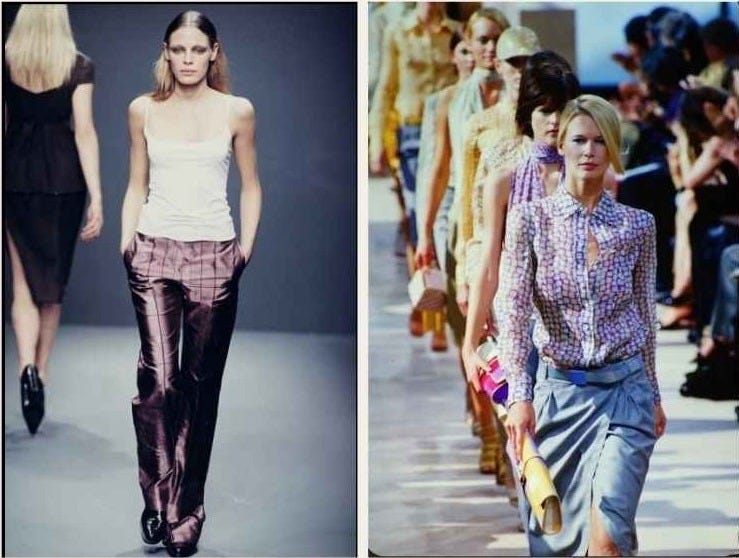
Loved reading this! Having witnessed parts of your career and personal journey over all these years, it was so inspiring to see all the threads come together in your story. It’s those experiences, challenges and defining moments that shape who we become, and you’re all the better for them. Brava! ❤️
Love this trip down memory lane! Well said. xo